

あなたは顔脱毛にこんな疑問を持っていませんか?
- 安い価格で顔脱毛のお試し体験ができるサロン・クリニックはどこ?
- 顔をツルツルにするにはいくらかかる?
- 顔脱毛をするメリットは?見た目は変わる?
この記事では、安く顔を脱毛できるキャンペーンと顔脱毛をすることで得られるメリット紹介します。
また、顔のうぶ毛は他のムダ毛と比べて毛の色が薄いので脱毛の効果を実感するのに回数を重ねる必要があります。
そこで、顔のムダ毛をなくしてツルツルになるまでに必要な回数と脱毛の費用を抑える方法を解説します。


目次
1.顔脱毛のお試し体験ができる安いサロン・クリニック

サロンやクリニックの体験キャンペーンを利用すれば、安い料金で顔脱毛をお試しすることができます。
顔脱毛を体験できるキャンペーンをまとめて紹介します。
1-1.顔脱毛のお試しを安く体験できる大手脱毛サロン一覧

1回~2回の顔脱毛のお試しを、安く体験できるキャンペーンがある脱毛サロンを一覧にまとめました。
顔脱毛のお試しキャンペーンが安いサロン
| サロン | キャンペーン内容:価格 |
|---|---|
| おすすめ!ジェイエステ | フェイス6脱毛 2回:2,200円 詳しい情報はこちら>> |
| ディオーネ | うるツヤお顔脱毛体験 1回:3,300円 詳しい情報はこちら>> |
| TBC | フェイス・5脱毛 2回:6,000円 詳しい情報はこちら>> |
※価格は消費税10%込で表記しています。
全国展開してないエステサロンですが、大阪周辺ではエステ・タイムでも顔脱毛をお試しできるキャンペーンが実施されています。
| サロン | キャンペーン内容:価格 |
|---|---|
| エステ・タイム(関西限定) | お顔まるごと脱毛 1回:100円
詳細はこちらへ>>
|
※価格は消費税10%込で表記しています。
該当するサロンの顔脱毛の体験キャンペーンをおすすめ順に詳しく紹介します。
ジェイエステティック
| キャンペーン内容 | Cライン・フェイスライン・おでこ・両頬・口周り・あごの6ヶ所×2回 |
|---|---|
| 価格 | 2,200円 |
| キャンペーンの申し込み方 | 1.「まずは無料カウンセリング」のボタンをクリニック 2.ご希望のサロンを選択 3.ご希望の日時を選択 4.コース選択から美肌脱毛→「フェイス6プラン 2回 2,200円」を選択 5.お客様情報を入力 6.メール配信希望を確認 7.個人情報の取り扱いについて、ご予約の注意事項を確認して同意 8.入力内容を確認し申込 |
東北
青森:青森店、八戸店、弘前店、岩手:盛岡店、北上店、宮城:仙台店、利府店、石巻店、古川店、、秋田:フレスポ秋田御所野店、山形:フレスポ山形店、イオン米沢店、天童店、三川店、福島:福島店、福島南店、郡山店、会津店、いわき店
関東
東京:北千住店、錦糸町店、大井町店、蒲田店、渋谷駅前店、二子玉川店、中野店、高田馬場店、池袋東店、立川駅前店、町田店、神奈川:川崎店、横浜西口店、本厚木店、相模大野店、茅ヶ崎店、平塚店、埼玉:大宮東店、大宮西店、川口店、川越店、志木店、所沢店、千葉:千葉店、松戸店、新鎌ヶ谷店、津田沼店、柏店、野田店、茨城:つくば店、古河店、下館店、水戸店、日立店、栃木:アピタ宇都宮店、インターパーク宇都宮店、イトーヨーカドー宇都宮店、小山店、大田原店、足利店、佐野店、群馬:前橋店
中部
静岡:静岡店、藤枝店、浜松店、愛知:豊橋店、金山店、名古屋店、岐阜:岐阜店、新潟:長岡店、亀田店、富山:富山店、石川:金沢店、小松店
関西
京都:京都駅前店、四条河原町店、西院店、滋賀:草津店、大阪:梅田店、心斎橋店、天王寺店、高槻店
中国
鳥取:鳥取店、広島:広島本通店
九州、沖縄
福岡:小倉店、天神店、久留米店、佐賀:佐賀店、大分:大分店、沖縄:那覇店
2,200円で顔脱毛を2回体験できるジェイエステ。
「Cライン(頬骨の上のあたり)・フェイスライン・おでこ・両頬・口周り・あご」の広範囲をまとめて脱毛してみたい人におすすめです。
また顔脱毛後はヒアルロン酸ジェルでケアしてもらえるため、美肌効果も期待できます。
今ならひじ下脱毛の無料体験付きになっているので、ぜひチェックしてみてください。
ジェイエステのキャンペーン情報
ディオーネ
| キャンペーン内容 | アイホール以外の顔全体1回 (美白マル秘パック付き) |
|---|---|
| 価格 | 3,300円 |
| キャンペーンの申し込み方 | 1.「今すぐ脱毛体験をする」のボタンをクリック 2.ご希望の地域・サロンを選択 3.ご希望時間を選択 4.お客様情報を入力 5.「上記に同意する」にチェックを入れる 6.利用規約に同意して次へ進む 7.入力内容を確認し申込 |
北海道、東北
北海道:札幌駅前店、千歳店、青森:八戸店、宮城:仙台店、秋田:秋田駅東口店、福島:会津若松店、須賀川店
関東
東京:新宿本店 Premium、青山店 Premium、銀座本店、高田馬場店、上野不忍通り店、錦糸町店、自由が丘店、渋谷店、恵比寿駅前店、池袋東口店、六本木店、麻布十番店、北千住店、吉祥寺店、国分寺駅前店、立川店、神奈川:横浜駅西口店、横浜関内店、横浜駅鶴屋町店、川崎店、武蔵小杉駅前店、溝の口店、湘南藤沢店、中央林間店、海老名店、千葉:千葉店、西船橋駅前店、松戸店、成田店、柏店、八千代店、埼玉:大宮店、さいたま店、川越店、南越谷駅前店、深谷店、朝霞台店、栃木:宇都宮店、茨城:つくば店、群馬:群馬伊勢崎店
中部
新潟:新潟けやき通り店、上越鴨島店、石川:金沢店、長野:長野東口店、飯田店、静岡:浜松駅前店、浜松有玉店、藤枝店、御殿場店、三島店、愛知:名古屋本山店、名古屋駅前店、金山駅前店、栄店、豊橋店、岡崎店、一宮店、安城住吉店、東海店、大府店、岐阜:多治見店、岐阜店、美濃加茂店、三重:四日市駅前店、三重鈴鹿店
関西
大阪:心斎橋店 Premium、天王寺店、梅田店、北浜店、岸和田店、泉佐野店、東大阪八戸ノ里駅前店、茨木本店、京都:京都河原町店、四条烏丸店、兵庫:垂水駅前店、神戸三宮店、尼崎店、東加古川店、滋賀:草津店、大津駅前店、和歌山:和歌山店、和歌山けやき大通り店
中国、四国
広島:広島紙屋町店、山口:山口店、香川:高松サンフラワー通り店、宇多津店
九州
福岡:朝倉店、長崎:長崎葉山店、宮崎:都城店、鹿児島:鹿児島鹿屋店
ディオーネは肌トラブルの心配なく顔脱毛に通いたい人や、美肌効果を実感したい人におすすめのサロンです。
高熱を使わない独自の脱毛法を採用しているディオーネでは、他のサロンではNGとされることが多い眉間や鼻・もみあげ、唇の境目などもしっかり脱毛してもらえます。
またハイパースキン脱毛の光には、お肌のハリツヤを高める効果も期待できます。
さらに施術後には、美白マル秘パックで丁寧にお手入れしてもらえます。
脱毛効果と美肌効果をまとめて実感したい人は、ディオーネの顔脱毛を試してみましょう。
ディオーネのキャンペーン情報
TBC
| キャンペーン内容 | 鼻下・あご・額・頬・フェイスラインの5ヶ所×2回 |
|---|---|
| 価格 | 6,000円 |
| キャンペーンの申し込み方 | 1.「今すぐ無料カウンセリングへ」をタップ 2.希望の都道府県を選択 3.希望のサロンを選択 4.カレンダーから希望の日時を選択 5.「注意事項を確認しました」にチェック 6.お客様情報を入力 7.「注意事項を確認しました」にチェック 8.利用規約および個人情報保護方針に同意してチェック 9.入力内容を確認して申し込む |
北海道、東北
北海道:札幌本店、札幌駅前店、旭川駅前店、イオンモール釧路昭和店、函館五稜郭店、青森:青森クロスタワー ア・ベイ店、八戸店、岩手:クロステラス盛岡店、宮城:仙台マークワン店、仙台泉中央SWING店、秋田:秋田駅前店、山形:山形店、福島:福島駅前店、郡山駅前モルティ店
関東
東京:新宿南口店、新宿東口店、渋谷店、有楽町駅前店、銀座店、有明ガーデン店、上野店、LOTTE CITY錦糸町店、北千住店、西葛西店、大泉学園店、吉祥寺店、調布駅前店、町田店、八王子店、立川髙島屋S.C.店、五反田店、自由が丘店、蒲田駅前店、池袋本店、赤羽店、神奈川:横浜西口本店、青葉台店、戸塚モディ店、川崎駅前タワー・リバーク店、上大岡店、武蔵小杉店、リドレ横須賀店、ガーデンシティ厚木店、藤沢ルミネ店、埼玉:大宮駅前店、熊谷店、南越谷店、ララガーデン春日部店、川越店、所沢店、千葉:千葉センシティ店、津田沼店、船橋駅前店、柏モディ店、木更津店、茨城:水戸店、プレイアトレ土浦店、群馬:高崎店、前橋リリカ店、栃木:宇都宮店、小山ロブレ店、山梨:甲府駅前店
中部
新潟:新潟店、長岡駅前店、長野:長野駅前店、松本店、富山:富山駅前店、石川:金沢ヴィサージュ店、福井:福井店、愛知:名古屋駅前店、名古屋駅前本店、名古屋栄店、金山店、藤ヶ丘ami ami店、豊橋ココラアベニュー店、豊田コモ・スクエア店、岡崎オトリバーサイドテラス店、岐阜:岐阜店、大垣駅前店、三重:四日市店、津駅前店、静岡:静岡エクセルワードビル店、浜松アクトタワー店、沼津イーラde店
関西
大阪:梅田本店、京橋駅前店、難波店、天王寺駅前店、高槻店、枚方店、岸和田店、堺東駅前店、千里中央店、京都:京都駅前店、京都河原町店、イオンモール京都桂川店、兵庫:ミント神戸三宮店、西宮北口店、川西店、明石駅前店、加古川店、姫路店、滋賀:エルティ草津店、奈良:サンワシティ奈良西大寺店、八木駅前店、和歌山:和歌山駅前店
中国、四国
鳥取:鳥取店、島根:松江店、岡山:岡山ターミナルスクエアビル店、広島:広島本店、さんすて福山店、呉クレスト店、山口:徳山店、徳島:徳島店、香川:高松店、愛媛:松山店、高知:イオンモール高知店
九州、沖縄
福岡:博多バスターミナル店、天神店、小倉店、イオン大野城SC店、西鉄久留米リベール店、佐賀:佐賀店、長崎:長崎店、熊本:熊本カリーノ下通店、大分:大分駅前店、宮崎:カリーノ宮崎店、鹿児島:鹿児島アイムビル店、沖縄:那覇店、イオン北谷SC店
顔全体の脱毛を2回お試しできるTBC。
創業40年以上の老舗サロンで技術力も高いため、安心して顔脱毛の施術を任せられます。
また万が一体験脱毛に満足できなかった場合にも、全額返金が受けられる保証も付いています。
全国各地に店舗があり通いやすさも抜群なので、まずは近くの店舗で顔脱毛を体験してみることから始めましょう。
TBCのキャンペーン情報へ
エステ・タイム
| キャンペーン内容 | 鼻下・額・眉間・頬・フェイスライン・あごを含む顔全体1回 |
|---|---|
| 価格 | 100円 |
| キャンペーンの申し込み方 | 1.「無料カウンセリング・ご予約」のボタンをクリック 2.予約前の確認事項を確認し、2ヶ所にチェックを入れ予約に進む 3.お顔まるごと脱毛1回100円を選択 5.ご希望のサロンを選択 6.予約する日付を選択 7.時間を選択 8.連絡先を入力する 9.入力内容を確認し申込 |
関西
大阪:梅田店、寝屋川店、枚方店、りんくう泉南店、兵庫:西宮北口店、尼崎つかしん店、京都:京都洛南店、奈良:橿原店
大阪周辺で顔脱毛の安いキャンペーンを探している人におすすめのエステ・タイム。
キャンペーン中の今なら、1回100円で顔全体の脱毛を体験できます。
毎月30名限定なので、気になる人は早めにチェックしておきましょう。
エステ・タイムのキャンペーン情報へ
1-2.顔脱毛のお試しを安く体験できる脱毛クリニック一覧
顔脱毛を1回だけ安くお試しできるクリニックを一覧にまとめました。
顔脱毛の1回料金が安いクリニック
| クリニック | 顔脱毛1回の料金 |
|---|---|
| おすすめ!湘南美容クリニック | 11,550円 詳しい情報はこちら>> |
| 渋谷美容外科クリニック | 9,800円※1 |
| ジュエルクリニック | 16,000円 |
| ミセルクリニック | 16,280円 |
| KM新宿クリニック | 20,900円 |
※価格は消費税10%込で表記しています。
※1:初回のみ1回9,800円で体験可(通常の1回コースは16,500円)
通常の1回コースを利用して、最安値で顔の医療脱毛を試せるのは、湘南美容クリニックです。
効果が高い医療レーザーによる顔脱毛を体験してみたい人は、ぜひチェックしておきましょう。
湘南美容クリニック
| 価格 | 1回11,550円(税込) 3回31,350円(税込) |
|---|---|
| キャンペーンの申し込み方 | 1.「今すぐ予約する」のボタンをクリック 2.予約フォームにプロフィールを入力 3.ご希望のエリア・クリニック・希望日を選択 4.ご希望のコース・部位で「フェイス」を選択 5.当日の施術希望を選択 6.補足欄に「○回体験希望」と入力 7.メール配信希望を選択 8.「送信内容確認」ボタンを押す 9.入力内容を確認し申込 |
北海道、東北
北海道:札幌院、宮城:仙台院、福島:福島院
関東
東京:新宿院、新宿南口院、レーザー新宿大ガード院、渋谷院、渋谷アネックス院、表参道院、六本木院、池袋東口院、池袋西口院、赤坂見附院、高田馬場院、銀座院、新橋銀座口院、品川院、秋葉原院、上野院、湘南メディカル記念病院、西葛西院、東京蒲田院、自由が丘院、二子玉川院、赤羽院、立川院、町田院、八王子院、湘南内科皮フ科クリニック町田院、神奈川:横浜院、横浜東口院、川崎院、武蔵小杉院、橋本院、藤沢院、横須賀中央院、辻堂アカデミア院、埼玉:大宮東口院、川口院、所沢院、川越院、千葉:千葉センシティ院、船橋院、松戸院、柏院、高崎院、宇都宮院、水戸院
中部
愛知:名古屋院、名古屋栄院、金山院、静岡:浜松院、静岡院、新潟:新潟院、石川:金沢院、長野:長野院、岐阜:岐阜院
関西
京都:京都院、京都河原町院、大阪:大阪梅田院、大阪駅前院、大阪心斎橋院、大阪なんば院、大阪あべの院、大阪京橋院、大阪堺東院、兵庫:神戸院、姫路院、西宮北口院、奈良:奈良院
中国、四国
広島:広島院、岡山:岡山院、香川:高松院、愛媛:松山院
九州、沖縄
福岡:福岡院、小倉院、熊本:熊本院、宮崎:宮崎院、鹿児島:鹿児島院、沖縄:那覇院
湘南美容クリニックには、11,550円で顔全体の医療脱毛を体験できるプランがあります。
こちらのプランは通常コースなので、何度でも気軽に利用できます。
効果がわかるまで試してみたい人には3回コース、痛みや効果を体験してみたい人には1回コースがおすすめです。
湘南美容クリニックのキャンペーン情報
2.顔脱毛の効果を実感するには何回脱毛したらいい?
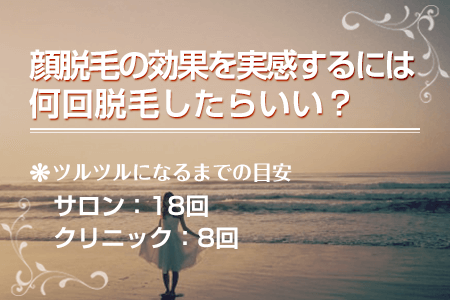
顔脱毛の効果を実感するまでの回数は、「どこで脱毛するか」や「どの程度まで脱毛しておきたいのか」によっても異なります。
そこで次は、クリニックとサロンの顔脱毛にかかる回数と効果について紹介します。
2-1.顔のうぶ毛をなくすのに必要な回数

サロンとクリニックでは、顔脱毛にかかる回数が以下のように異なります。
| 効果 | サロン | クリニック |
|---|---|---|
| 毛量が減り、自己処理が楽になる | 6回 | 3回 |
| 自己処理がほとんど不要になる | 12回 | 5回 |
| ツルツルになる | 18回 | 8回 |
顔脱毛の効果は、サロンなら約6回、クリニックなら約3回で実感することができます。
またツルツルになるまでには、サロンなら約18回、クリニックなら約8回は通う必要があります。
クリニックでもサロンでもお試し体験だけでは顔脱毛は完了しないので、キャンペーンを利用して続けて通いやすいところを見つけましょう。
キャンペーンをはしごしてもツルツルにならない理由については、こちらで詳しく紹介しています。
9-2.キャンペーンをハシゴしてもツルツルにはならない
3.顔脱毛にはサロン・クリニックどっちがいい?

サロンとクリニックの違いとおすすめポイントを解説します。
| 比較項目 | サロン | クリニック |
|---|---|---|
| 通常料金 | 18回10万円~ | 9回8万円~ |
| 回数 | 約18回 | 約8回 |
| 期間 | 2~3年 | 1~2年 |
| 痛み | ほぼ痛くない | 痛みあり |
| 施術後の保湿 | 美肌作用のあるジェルを使用 | 各自で行う |
- 格安キャンペーンを利用して顔脱毛を体験したい人
- 肌に負担をかけずに顔脱毛を行いたい人
- エステ感覚で顔脱毛に通いたい人
- 少ない回数で早く顔脱毛を完了したい人
- 顔脱毛にかかる総額を安く抑えたい人
- 麻酔を使って痛みの心配なく顔脱毛に通いたい人
サロンとクリニックの顔脱毛には、どちらにもメリット・デメリットがあります。
重視したいポイントをチェックして、自分に合う方を選びましょう。
4.顔脱毛をツルツルになるまで通った場合の総額が安い脱毛サロン

サロンで顔脱毛を行った場合、ツルツルになるまでに約18回かかります。
そこで、18回総額が安いサロンと、割引キャンペーンを利用して安く顔脱毛の完了を目指せるサロンを紹介します。
4-1.顔脱毛の料金が安いサロン(通常料金)
-
Cライン・フェイスライン・おでこ・両頬・口周り・あご
顔脱毛の18回総額が安い脱毛サロン
| サロン | 18回総額 |
|---|---|
| ディオーネ | 118,800円 |
| ジェイエステ | 140,580円※1 |
| ストラッシュ | 167,760円(無制限) |
| TBC | 178,200円※2 |
| 平均 | 191,012円 |
| プリート | 207,900円 |
| エステ・タイム | 212,850円(12回) |
| ラココ | 310,997円※3 |
※表の価格は税込で表記しています。
※1:顔脱毛6部位×12回93,720円の単価7,810円×18回=140,580円
※2:フェイス・5プラン12回118,800円の単価9,900円×18回=178,200円
※3:オーダーメイド脱毛コース200回
顔脱毛の総額が安いサロンは、ディオーネ・ジェイエステの2つです。
では3つのサロンの特徴を詳しく紹介します。
ディオーネ
| プラン | 料金 | 1回あたり |
|---|---|---|
| 6回 | 46,200円 | 7,700円 |
| 12回 | 79,200円 | 6,600円 |
※表の価格は税込で表記しています。
北海道、東北
北海道:札幌駅前店、千歳店、青森:八戸店、宮城:仙台店、秋田:秋田駅東口店、福島:会津若松店、須賀川店
関東
東京:新宿本店 Premium、青山店 Premium、銀座本店、高田馬場店、上野不忍通り店、錦糸町店、自由が丘店、渋谷店、恵比寿駅前店、池袋東口店、六本木店、麻布十番店、北千住店、吉祥寺店、国分寺駅前店、立川店、神奈川:横浜駅西口店、横浜関内店、横浜駅鶴屋町店、川崎店、武蔵小杉駅前店、溝の口店、湘南藤沢店、中央林間店、海老名店、千葉:千葉店、西船橋駅前店、松戸店、成田店、柏店、八千代店、埼玉:大宮店、さいたま店、川越店、南越谷駅前店、深谷店、朝霞台店、栃木:宇都宮店、茨城:つくば店、群馬:群馬伊勢崎店
中部
新潟:新潟けやき通り店、上越鴨島店、石川:金沢店、長野:長野東口店、飯田店、静岡:浜松駅前店、浜松有玉店、藤枝店、御殿場店、三島店、愛知:名古屋本山店、名古屋駅前店、金山駅前店、栄店、豊橋店、岡崎店、一宮店、安城住吉店、東海店、大府店、岐阜:多治見店、岐阜店、美濃加茂店、三重:四日市駅前店、三重鈴鹿店
関西
大阪:心斎橋店 Premium、天王寺店、梅田店、北浜店、岸和田店、泉佐野店、東大阪八戸ノ里駅前店、茨木本店、京都:京都河原町店、四条烏丸店、兵庫:垂水駅前店、神戸三宮店、尼崎店、東加古川店、滋賀:草津店、大津駅前店、和歌山:和歌山店、和歌山けやき大通り店
中国、四国
広島:広島紙屋町店、山口:山口店、香川:高松サンフラワー通り店、宇多津店
九州
福岡:朝倉店、長崎:長崎葉山店、宮崎:都城店、鹿児島:鹿児島鹿屋店
ディオーネは顔脱毛の料金が、6回・12回共に最安値です。
2週間~1ヶ月に1回のペースで通えるため、6回なら約3~6ヶ月で、12回なら約6~12ヶ月で脱毛できます。
また12回コースを選べば、終了後も6,600円で1回ずつ追加脱毛を行えます。
効果を見ながら通えるのも、ディオーネならではのメリットです。
ディオーネの公式サイト
ジェイエステ
| プラン | 料金 | 1回あたり |
|---|---|---|
| 4回 | 33,000円 | 8,250円 |
| 12回 | 93,720円 | 7,810円 |
| 18回 | 140,580円 | 7,920円 |
※表の価格は税込で表記しています。
※18回の料金は12回の単価7,810円×18回=140,580円
東北
青森:青森店、八戸店、弘前店、岩手:盛岡店、北上店、宮城:仙台店、利府店、石巻店、古川店、、秋田:フレスポ秋田御所野店、山形:フレスポ山形店、イオン米沢店、天童店、三川店、福島:福島店、福島南店、郡山店、会津店、いわき店
関東
東京:北千住店、錦糸町店、大井町店、蒲田店、渋谷駅前店、二子玉川店、中野店、高田馬場店、池袋東店、立川駅前店、町田店、神奈川:川崎店、横浜西口店、本厚木店、相模大野店、茅ヶ崎店、平塚店、埼玉:大宮東店、大宮西店、川口店、川越店、志木店、所沢店、千葉:千葉店、松戸店、新鎌ヶ谷店、津田沼店、柏店、野田店、茨城:つくば店、古河店、下館店、水戸店、日立店、栃木:アピタ宇都宮店、インターパーク宇都宮店、イトーヨーカドー宇都宮店、小山店、大田原店、足利店、佐野店、群馬:前橋店
中部
静岡:静岡店、藤枝店、浜松店、愛知:豊橋店、金山店、名古屋店、岐阜:岐阜店、新潟:長岡店、亀田店、富山:富山店、石川:金沢店、小松店
関西
京都:京都駅前店、四条河原町店、西院店、滋賀:草津店、大阪:梅田店、心斎橋店、天王寺店、高槻店
中国
鳥取:鳥取店、広島:広島本通店
九州、沖縄
福岡:小倉店、天神店、久留米店、佐賀:佐賀店、大分:大分店、沖縄:那覇店
ジェイエステでは顔1部位の脱毛を1回2,750円で行えますが、「ひたい・目尻周り・頬・口周り・フェイスライン・あご」の6部位を脱毛すると1回13,860円もかかってしまいます。
顔全体を安く脱毛したい人は、6部位をまとめて脱毛できるセットプランを利用しましょう。
ジェイエステの公式サイト
4-2.顔脱毛の総額が最大30%OFFになるキャンペーン
顔脱毛の総額が安くなる脱毛サロンのキャンペーン
| サロン | キャンペーン内容 |
|---|---|
| おすすめ!ジェイエステ | 紹介割・ペア割・乗り換え割・中高生応援割・ファミリー会員で最大30%OFF 詳しい情報はこちら>> |
| ストラッシュ | ペア割・乗り換え割・学割・キッズ割で最大30%OFF |
| プリート | 紹介割・ペア割で最大20%OFF |
| ディオーネ | 店舗により学割10%OFF |
| ラココ | 学割・乗り換え割・ペア割・紹介割で最大10%キャッシュバック |
| エステ・タイム | 学割・乗り換え割・紹介割で最大1万円OFF |
| TBC | 紹介割で10,000円割引 |
割引キャンペーンを利用すれば、最大で通常料金の30%OFFで顔脱毛を始めることが可能です。
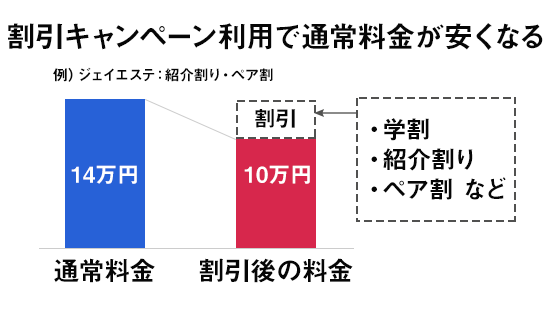
次に割引キャンペーンを利用することで脱毛料金が最も安くなるサロンを紹介します。
割引キャンペーン利用後の料金が最も安い脱毛サロン
| サロン | 通常料金(18回) | 割引後の料金(18回) |
|---|---|---|
| おすすめ!ジェイエステ | 140,580円 | 98,406円 |
| ストラッシュ | 167,760円(無制限) | 150,980円 |
| ディオーネ | 118,800円 | 106,920円 |
| TBC | 178,200円 | 168,200円 |
| プリート | 207,900円 | 166,320円 |
| エステ・タイム | 212,850円(12回) | 202,850円(12回) |
| ラココ | 310,997円 | 279,897円 |
※表の価格は税込で表記しています。
5.顔脱毛をツルツルになるまで通った場合の総額が安い脱毛クリニック
クリニックのレーザー脱毛はサロンに比べて効果が高いため、約8回でツルツルの状態を目指せます。
5-1.顔脱毛の料金が安いクリニック(通常料金)

顔脱毛の8回総額が安い脱毛クリニック
| クリニック | 8回総額 |
|---|---|
| 湘南美容クリニック | 73,700円 |
| 渋谷美容外科クリニック | 79,200円 |
| リゼクリニック | 132,000円 |
| 聖心美容クリニック | 140,800円 |
| フレイアクリニック | 149,600円 |
| レジーナクリニック | 168,960円 |
| クレアクリニック | 176,640円 |
| 平均 | 196,653円 |
| カルミア美肌クリニック | 350,020円(10回) |
| アリシアクリニック | 498,960円(9回) |
※表の価格は税込で表記しています。
※湘南美容クリニックは6回コース+1回コース×2回の総額、クレアクリニックは5回コース+3回コースの総額、アリシアクリニックは3回コース×3回コースの総額を掲載しています。
では顔脱毛の総額が安い湘南美容クリニックの特徴を詳しく紹介します。
湘南美容クリニック
| プラン | 料金 | 1回あたり |
|---|---|---|
| 1回 | 11,550円 | 11,550円 |
| 3回 | 31,350円 | 10,450円 |
| 6回 | 50,600円 | 8,433円 |
※価格は税込で表示しています。
北海道、東北
北海道:札幌院、宮城:仙台院、福島:福島院
関東
東京:新宿院、新宿南口院、レーザー新宿大ガード院、渋谷院、渋谷アネックス院、表参道院、六本木院、池袋東口院、池袋西口院、赤坂見附院、高田馬場院、銀座院、新橋銀座口院、品川院、秋葉原院、上野院、湘南メディカル記念病院、西葛西院、東京蒲田院、自由が丘院、二子玉川院、赤羽院、立川院、町田院、八王子院、湘南内科皮フ科クリニック町田院、神奈川:横浜院、横浜東口院、川崎院、武蔵小杉院、橋本院、藤沢院、横須賀中央院、辻堂アカデミア院、埼玉:大宮東口院、川口院、所沢院、川越院、千葉:千葉センシティ院、船橋院、松戸院、柏院、高崎院、宇都宮院、水戸院
中部
愛知:名古屋院、名古屋栄院、金山院、静岡:浜松院、静岡院、新潟:新潟院、石川:金沢院、長野:長野院、岐阜:岐阜院
関西
京都:京都院、京都河原町院、大阪:大阪梅田院、大阪駅前院、大阪心斎橋院、大阪なんば院、大阪あべの院、大阪京橋院、大阪堺東院、兵庫:神戸院、姫路院、西宮北口院、奈良:奈良院
中国、四国
広島:広島院、岡山:岡山院、香川:高松院、愛媛:松山院
九州、沖縄
福岡:福岡院、小倉院、熊本:熊本院、宮崎:宮崎院、鹿児島:鹿児島院、沖縄:那覇院
湘南美容クリニックでは、約7万円で顔脱毛の完了を目指せます。
6回コース終了後は1回プランを利用して追加脱毛に通えるのも、湘南美容クリニックを選ぶメリットの一つです。
湘南美容クリニック
5-2.顔脱毛の総額が最大50%OFFになるキャンペーン
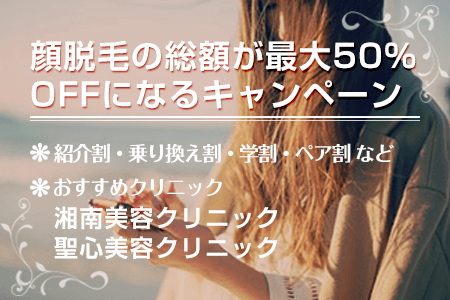
顔脱毛の総額が安くなるクリニックのキャンペーン
| クリニック | キャンペーン内容 |
|---|---|
| おすすめ!聖心美容クリニック | 子ども脱毛割引で最大50%OFF |
| リゼクリニック | 学割・乗り換え割・ペア割で10%OFF |
| フレイアクリニック | 学割で最大15,000円OFF |
| 渋谷美容外科クリニック | 紹介割で5,000円割引 |
| レジーナクリニック | 紹介割で10%OFF |
| 湘南美容クリニック | 学割で最大5%OFF |
| クレアクリニック | 乗り換え割・ペア割で7,000円キャッシュバック |
| アリシアクリニック | 紹介割で脱毛券orギフト券1万円プレゼント |
割引キャンペーンを利用すれば、最大で通常料金の50%OFFで医療脱毛を始めることが可能です。
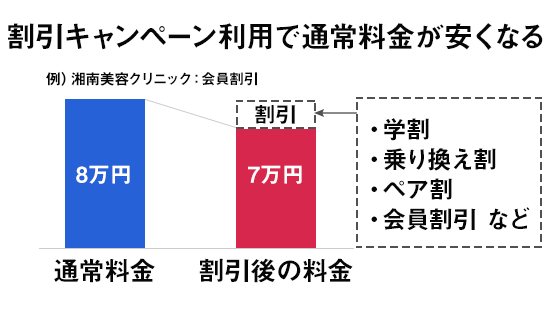
安く顔脱毛を完了したい人は、対象になるキャンペーンのあるクリニックをチェックしておきましょう。
割引キャンペーンで最も総額が安くなるクリニック
| クリニック | 通常料金(8回) | 割引後の料金(8回) |
|---|---|---|
| おすすめ!湘南美容クリニック | 73,700円 | 70,015円 |
| 聖心美容クリニック | 140,800円 | 70,400円 |
| 渋谷美容外科クリニック | 79,200円 | 74,200円 |
| リゼクリニック | 132,000円 | 118,800円 |
| フレイアクリニック | 149,600円 | 134,600円 |
| クレアクリニック | 176,640円 | 169,640円 |
| レジーナクリニック | 168,960円 | 152,064円 |
| カルミア美肌クリニック | 350,020円(10回) | 350,020円(10回) |
| アリシアクリニック | 498,960円(9回) | 498,960円(9回) |
※表の価格は税込で表記しています。
6.パーツを絞って顔脱毛を安く完了する方法

次に、鼻下・おでこ・頬・あごの気になる箇所だけを安くお手入れできるサロン・クリニックをまとめて紹介します。
6-1.鼻下の脱毛が安い脱毛サロン・クリニック
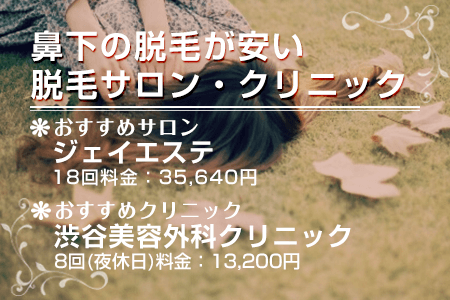
鼻下脱毛が安いサロン
| サロン | 18回料金 |
|---|---|
| ジェイエステ | 35,640円 |
| ディオーネ | 39,600円 |
| TBC | 43,164円 |
| 平均 | 47,440円 |
| ラココ | 59,400円 |
| プリート | 59,400円 |
※表の価格は税込で表記しています。
鼻下脱毛が安いクリニック
| クリニック | 8回料金 |
|---|---|
| 渋谷美容外科クリニック | 13,200円 |
| 平均 | 36,730円 |
| フレイアクリニック | 39,600円 |
| 湘南美容クリニック | 41,640円 |
| レジーナクリニック | 44,550円 |
| クレアクリニック | 44,660円(10回) |
※表の価格は税込で表記しています。
6-2.おでこの脱毛が安い脱毛サロン・クリニック

おでこの脱毛が安いサロン
| サロン | 18回料金 |
|---|---|
| ジェイエステ | 35,640円 |
| ディオーネ | 39,600円 |
| 平均 | 55,836円 |
| ラココ | 59,400円 |
| プリート | 59,400円 |
| TBC | 85,140円 |
※表の価格は税込で表記しています。
おでこの脱毛が安いクリニック
| クリニック | 8回料金 |
|---|---|
| 渋谷美容外科クリニック | 13,200円 |
| 平均 | 37,654円 |
| フレイアクリニック | 39,600円 |
| 湘南美容クリニック | 41,640円 |
| レジーナクリニック | 44,550円 |
| 聖心美容クリニック | 49,280円 |
※表の価格は税込で表記しています。
6-3.頬の脱毛が安い脱毛サロン・クリニック
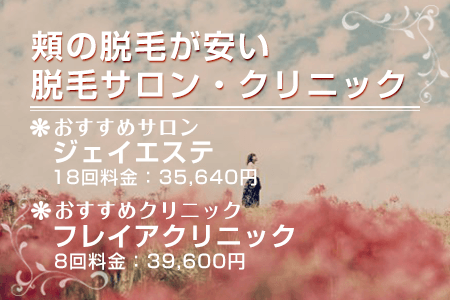
頬の脱毛が安いサロン
| サロン | 18回料金 |
|---|---|
| ジェイエステ | 35,640円 |
| ディオーネ | 39,600円 |
| 平均 | 55,836円 |
| プリート | 59,400円 |
| ラココ | 59,400円 |
| TBC | 85,140円 |
※表の価格は税込で表記しています。
頬の脱毛が安いクリニック
| クリニック | 8回料金 |
|---|---|
| フレイアクリニック | 39,600円 |
| レジーナクリニック | 44,550円 |
| リアラクリニック | 46,640円 |
| 平均 | 49,060円 |
| 聖心美容クリニック | 49,280円 |
| クレアクリニック | 65,230円(10回) |
※表の価格は税込で表記しています。
6-4.あごの脱毛が安い脱毛サロン・クリニック
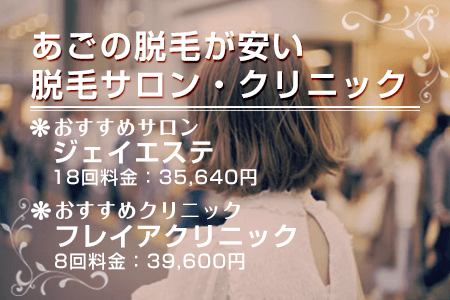
あごの脱毛が安いサロン
| サロン | 18回料金 |
|---|---|
| ジェイエステ | 35,640円 |
| ディオーネ | 39,600円 |
| TBC | 43,164円 |
| 平均 | 47,440円 |
| プリート | 59,400円 |
| ラココ | 59,400円 |
※表の価格は税込で表記しています。
あごの脱毛が安いクリニック
| クリニック | 8回料金 |
|---|---|
| フレイアクリニック | 39,600円 |
| リアラクリニック | 41,030円 |
| 湘南美容クリニック | 41,640円 |
| 平均 | 49,160円 |
| 聖心美容クリニック | 49,280円 |
| レジーナクリニック | 74,250円 |
7.顔脱毛をすることで得られる3つのメリット

実際に顔脱毛をした人の多くが実感している3つのメリットを紹介します。
7-1.うぶ毛が無くなることで肌が明るく見える
日本人のムダ毛は黒っぽいため、産毛がなくなるだけでも顔全体が明るく見えます。
また毛が抜けるのと同時に古い角質が落ちることによって、肌がトーンアップするという効果も期待できます。
ではツイッターやインスタに寄せられている「顔脱毛をして肌が明るくなった」という口コミをまとめて紹介します。
- 「顔脱毛はマジでおすすめ!私は全身脱毛に通っていて、その中に顔脱毛も入っている感じ。産毛までしっかり抜けるから、すっぴんでもめっちゃ肌が明るく綺麗に見えてすごい。」
- 「顔脱毛をしたら顔が明るくなって垢抜けた!化粧品にお金をかけるより、顔脱毛が一番変わる。諦めていた毛穴の黒ずみも、6回の顔脱毛でだいぶマシになりました。」
- 「Iラインに加えて顔脱毛もやってきました!顔脱毛したら肌の透明感が上がった気がする。自分で顔を剃るよりも、段違いに顔色が明るくなるよ。」
- 「顔脱毛ってやる必要ある?って思ってたけど、やってみたら少し顔が明るくなって、意外と良かったわ。」
- 「本日初めての顔脱毛でした。肌触りが格段に良くなって、肌もワントーン明るくなって、とっても感動しています!」
- 「私が顔脱毛を始めたきっかけは通っていた美容皮膚科の院長に「顔脱毛しなさい。やったら変わるから。」と言われるぐらいに産毛が多かったから。毛が太いっていうより産毛が多いから顔が黒く見えていたらしい。顔脱毛したら確かに肌のトーンも明るくなったし、鼻の黒いのの正体が毛だったってのも驚きだったよ!」
7-2.化粧ノリが良くなる

顔の産毛がなくなれば、ファンデーションが肌に密着してメイクがキレイに仕上がります。
さらに剃った場合と違って効果が持続するため、メイクが崩れにくくなるのもメリットの一つです。
ではツイッターやインスタに寄せられている「顔脱毛で化粧ノリが良くなった」という口コミをまとめて紹介します。
- 「顔脱毛なんだけど、なんでもっと早くやらなかったんだと思うぐらいやって良かった。顔の産毛がなくなるだけで面白いほど化粧ノリが良くなって、顔色も明るくなった。面倒な自己処理もしなくていいし、言うことなしに最高過ぎる!」
- 「医療脱毛は本当にすごい。リゼで全身+顔+VIOを脱毛していますが、痛みも割と耐えられる。しかも顔脱毛をしてから、化粧水も浸透しやすいし、化粧ノリも本当に良い。肌もトーンアップして良いことしかないですね。」
- 「顔脱毛3回目と全身脱毛の2回目が終わったところですが、すでに処理の回数が減って楽になってきた。化粧ノリも良くなったので、本当にやって良かった~。」
- 「顔脱毛したら化粧ノリめっちゃいい。今日は1回もお直ししてないけど全く崩れてない。なによりツヤツヤになって肌が綺麗に見える。」
- 「顔脱毛2回目にして化粧ノリが抜群に良くなった!!」
- 「顔脱毛に行くと1週間後の化粧ノリがめっちゃ良いし、毛穴も消える!夏に向けて頑張ろう!!」
7-3.肌トラブルが減る
顔脱毛をすれば肌トラブルが減るのは、次のような理由があるためです。
- カミソリ負けを防げる
- 毛穴の汚れを産毛と一緒に落とせる
- 化粧水が浸透しやすくなる
- 産毛に雑菌が繁殖するのを防げる
実際に肌のザラつきや乾燥、ニキビなどの肌トラブルが起きにくくなったという体験談もたくさん寄せられています。
では「顔脱毛で肌トラブルが減った」という人のツイッターやインスタのコメントをまとめて紹介します。
- 「顔脱毛をしてから、肌の揺らぎが減って、ニキビができにくくなったかも。肌も明るくなった気がします!」
- 「顔脱毛をすると肌の調子がすごくいい。すっぴんでも毛穴が目立たないし、ザラツキもなくなった!あとなぜか肌トラブルも減った。スゴイ!!」
- 「会社員の頃に顔脱毛を12回やったら、ニキビがかなり減った。あれはオススメ。皮脂がつまる場所が減るから。」
- 「顔脱毛を始めたおかげもあるのかなぁ。いつも生理前は肌荒れするけど、今回は肌トラブルなくツルツル。それだけでも嬉しい。」
- 「顔脱毛をしたら毛穴が小さくなるっていうのは本当でした!肌のトーンも上がって、肌トラブルも減りました!!」
- 「高い化粧品を買うよりも圧倒的に顔脱毛の方がオススメです。実際、私も顔脱毛をしてから肌トラブルが激減したので。顔脱毛はやって損はないと思うよ。」
8.脱毛サロンやクリニックのキャンペーンの種類

顔脱毛をお試し体験できるキャンペーンには、次の2種類のタイプがあります。
- 格安で顔脱毛を体験できるキャンペーン(脱毛サロンに多い)
- 通常料金で1回だけ顔脱毛を試せるキャンペーン(脱毛クリニックに多い)
では2種類のキャンペーンの特徴をそれぞれ詳しく紹介します。
8-1.脱毛サロンに多い格安のお試しキャンペーン

格安で顔脱毛を体験できるキャンペーンは、脱毛サロンに多いのが特徴です。
キャンペーンを利用すれば、通常プランの半額以下で顔脱毛を試せるサロンも複数あります。
【顔脱毛】サロンのキャンペーン料金と通常料金の比較表
| サロン | 体験キャンペーンの料金・回数 | 通常料金(12回コースの1回あたり) |
|---|---|---|
| おすすめ!ジェイエステ | 2,200円(2回) | 7,810円 |
| ディオーネ | 3,300円(1回) | 6,600円 |
| TBC | 6,000円(2回) | 9,900円 |
※価格は消費税10%込で表記しています。
サロンのお試しキャンペーンは、安いだけでなく次のようなメリットもあります。
- 刺激が少ない光脱毛だから痛みや肌トラブルの心配が少ない
- 脱毛後に美容液やパックでエステ級のケアを受けられる
格安で痛みの心配なく顔脱毛を体験したい人や、顔脱毛と同時に美肌効果を実感したい人はサロンのお試しキャンペーンをチェックしておきましょう。
8-2.脱毛クリニックに多い通常料金で1回の脱毛ができるキャンペーン
クリニックでは顔脱毛の体験プランとして、1回コースを設けているところがほとんどです。
【顔脱毛】クリニックのキャンペーン料金と通常プランの料金
| クリニック | 体験キャンペーンの料金・回数 | 通常の1回プランの料金 |
|---|---|---|
| おすすめ!渋谷美容外科クリニック | 9,800円(1回) | 16,500円 |
| 湘南美容クリニック | – | 11,550円 |
| ジュエルクリニック | – | 16,000円 |
| ミセルクリニック | – | 16,280円 |
| KM新宿クリニック | – | 20,900円 |
※価格は消費税10%込で表記しています。
お試しキャンペーンは1人1回しか利用できませんが、通常のコースなら効果が出るまで何度でも顔脱毛を試せます。
またクリニックでは医療機関でしか扱えない高出力のレーザーを使用して顔脱毛を行うため、体験だけでも高い効果を実感できます。
体験だけで顔脱毛の効果を実感したい人や、肌トラブルの際に医師にその場で処置してもらいたい人は、クリニックのお試し体験を利用しましょう。
9.顔脱毛の体験キャンペーンを利用する時の注意点

顔脱毛の体験キャンペーンは、次の2つを理解して利用する必要があります。
- お試し体験だけでツルツルにはならない
- キャンペーンをハシゴしてもツルツルにはならない
まずは「体験だけでツルツルにならない理由」から、詳しく説明します。
9-1.お試し体験だけでツルツルにはならない

顔脱毛を体験すると、1~2週間後に毛が抜け落ちて一時的に効果を実感することができます。
しかしムダ毛は毛周期に沿って生え変わっているため、1回脱毛しただけでツルツルになることはありません。
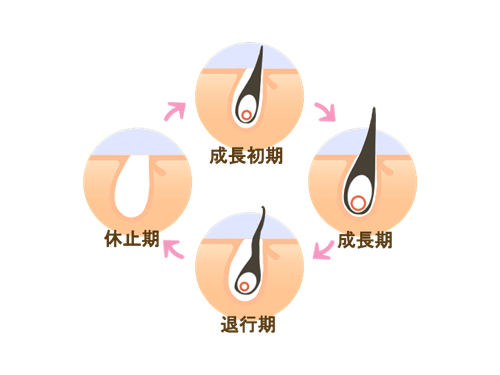
脱毛の光は「成長期の毛」にのみ反応する仕組みになっています。
成長期の毛はムダ毛全体の15~20%ほどなので、効果が高い医療脱毛でも自己処理が不要になるまでに5回はかかります。
また初回は肌トラブルを避けるために、出力を控えめに設定して照射を行うため、効果もそれほど高くありません。
お試し体験では効果よりも続けて通えそうかどうかを確認することの方が重要だと覚えておきましょう。
9-2.キャンペーンをハシゴしてもツルツルにはならない
サロンの顔脱毛キャンペーンをはしごしても、回数が足りないためツルツルにはなりません。
- キャンペーンをはしごして顔脱毛ができる回数:約7回
- サロンに通った場合の自己処理が不要なるまでの回数:約12回
またクリニックのお試し体験は割高なので、はしごすると損をしてしまいます。
【クリニックの顔脱毛】1回コースに5回通った場合の料金と5回コースの料金比較
| クリニック | 1回コースに5回通った場合の料金 | 5回コースの料金 |
|---|---|---|
| おすすめ!湘南美容クリニック | 69,300円(6回) | 50,600円(6回) |
| 渋谷美容外科クリニック | 75,800円※1 | 55,000円 |
| ジュエルクリニック | 80,000円 | 55,000円 |
| ミセルクリニック | 81,400円 | 65,780円 |
| KM新宿クリニック | 104,500円 | 70,400円 |
※価格は消費税10%込で表記しています。
※1:初回体験9,800円+2回目以降1回16,500円×4回=75,800円
他にも同じところに続けて通うのと違って、お試しキャンペーンのはしごには次のような多くのデメリットがあるためおすすめできません。
- 初回は出力が低く、毛周期に合わせて通いにくいため効果が出にくい
- 施術の度に初回カウンセリングに毎回1時間ほどかかってしまう
- 肌トラブルが起こっても原因を特定できず対応してもらえない可能性がある
効果が低いと通う回数が増えて、結果的に費用も高額になってしまいます。
ツルツルになるまで安く脱毛するためにも、キャンペーンはあくまでクリニックやサロンの比較のために活用しましょう。
10.顔脱毛のお試しキャンペーンを体験する時の流れ

顔脱毛のお試し体験は、次のような流れで行います。
- 2日前~前日までにシェービングをしておく
- 予約した日時にサロンに来店する
- 受付を済ませてメイクを落とす
- 剃り残しがないかを確認する
- ほくろやシミがあればシールなどで保護する
- 目に光が当たらないようにタオルやゴーグルで覆う
- 光を照射して顔脱毛を行う
- 冷却ジェルを拭き取る
- 美容液や保湿ジェルなどでアフターケアを行う
顔脱毛の施術は、10~30分ほどで完了します。
スムーズに脱毛を始められるように、前日までに電動シェーバーでムダ毛を剃っておきましょう。
また大手の脱毛サロンやクリニックにはパウダールームが設置されているため、顔脱毛当日にメイクをしたまま行ってもOKです。
パウダールームにはクレンジングも準備されていますが、敏感肌の人は普段使っているクレンジング剤を持参しましょう。
脱毛後もパウダールームで身だしなみを整えてから帰宅することができます。
帰宅時に紫外線を浴びると肌トラブルの原因になるので、日傘や帽子、マスク、サングラスなども準備しておきましょう。
11.まとめ
キャンペーンを利用すれば、2,200円で2回も顔脱毛を体験できます。
まずは顔脱毛のキャンペーンがあるサロン・クリニックで、脱毛効果を試してみることから始めましょう。

- 【2200円〜】VIO脱毛をお試し体験できるキャンペーン
- 【2200円〜】顔脱毛をお試し体験できるキャンペーン情報
- 【330円で完了】ワキ脱毛をお試し体験できるキャンペーン
- 【330円〜】足・ひざ下脱毛をお試し体験できるキャンペーン
- ひじ下・ひじ上・腕脱毛をお試し体験できるキャンペーン
- 全身脱毛をお試し体験できるキャンペーン一覧